
History
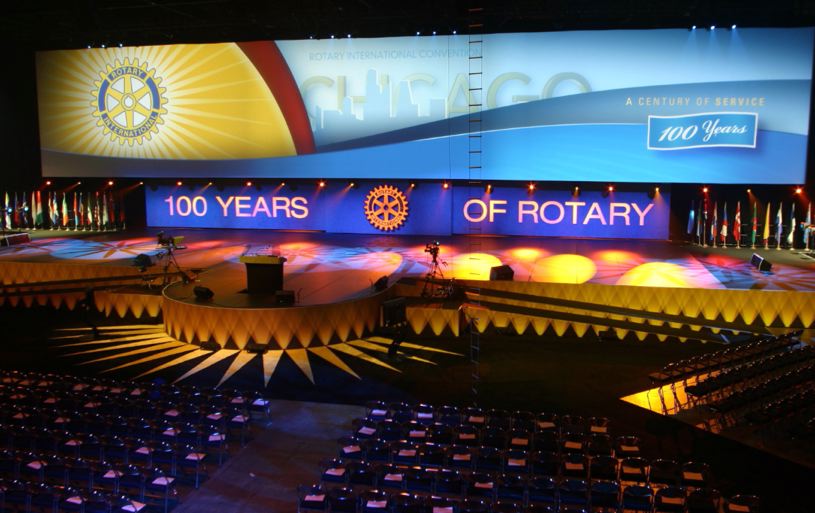
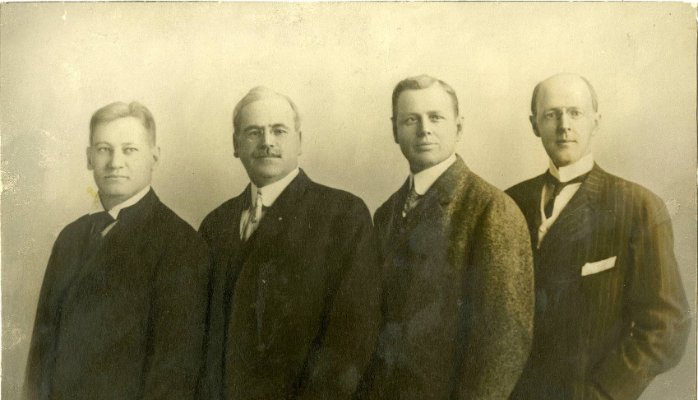
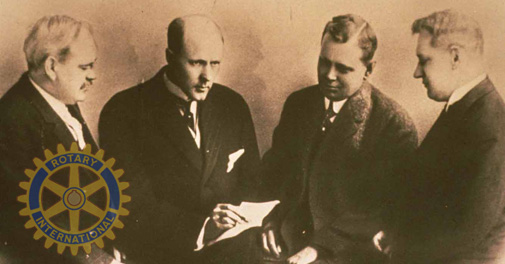
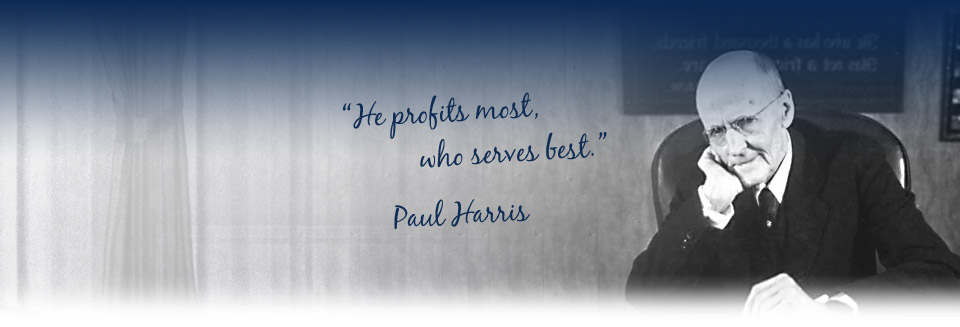
The world's first service club, a Rotary club, was founded in 1905 in Chicago by lawyer Paul Harris and three friends: Silvester Schiele, a coal merchant; Gustavus H. Loehr, a mining engineer; and Hiram E. Shorey, a tailor. They decided that only those invited by a member and with a profession different from existing members could join the Club. They soon realised their potential and set out to help their community. Five "avenues of service" were established in the structure:
In this way the object of Rotary was fulfilled.
- Club service.
- Service through occupation.
- Community service.
- International service.
- Service to new generations.
The object of Rotary is to encourage and foster the ideal of service as a basis of worthy enterprise and, in particular, to encourage and foster:
- The development of acquaintance and friendship as an opportunity for service.
- High ethical standards in business and professions; the recognition of the worthiness of all useful occupations and the dignifying of each Rotarian's occupation for the benefit of society.
- The application of the ideal of service by all Rotarians in their private, professional and public life.
- The advancement of international understanding, goodwill and peace through the fellowship of persons engaged in business and professional activities, united in the ideal of service.
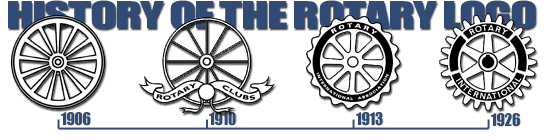
The National Association of Rotary Clubs was formed in 1910; the name Rotary was chosen because the original meetings rotated among the members' premises. This name was changed to Rotary International in 1922, by which time many branches had been created in other countries.
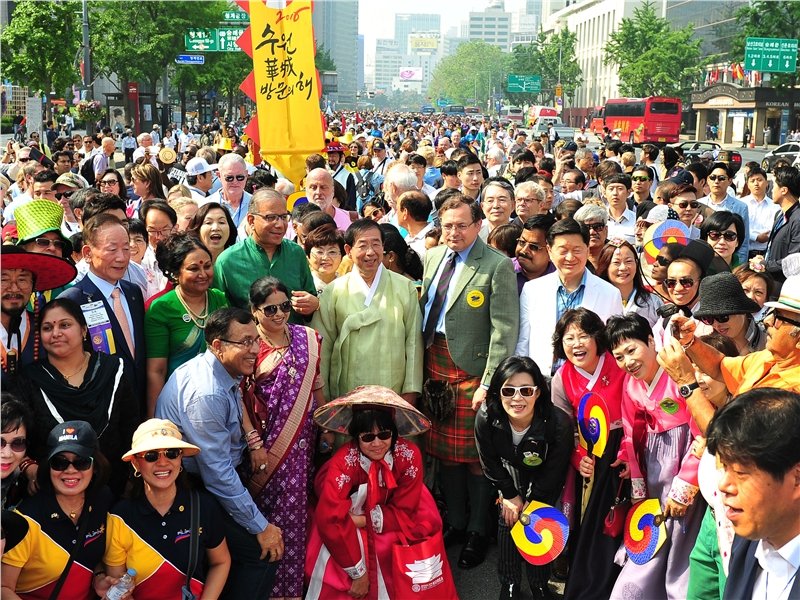
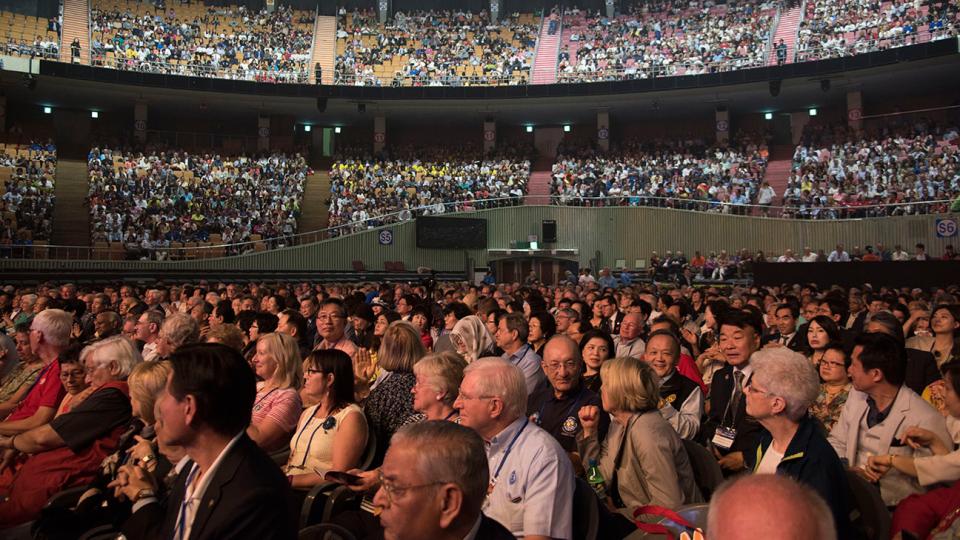
Rotary spread rapidly around the world. Today, more than 1,200,000 members in over 35,000 clubs meet weekly to plan service projects, discuss local and global issues, and enjoy fellowship.
Clubs are non-denominational and non-political, open to all races, cultures and creeds.
ORGANISATION
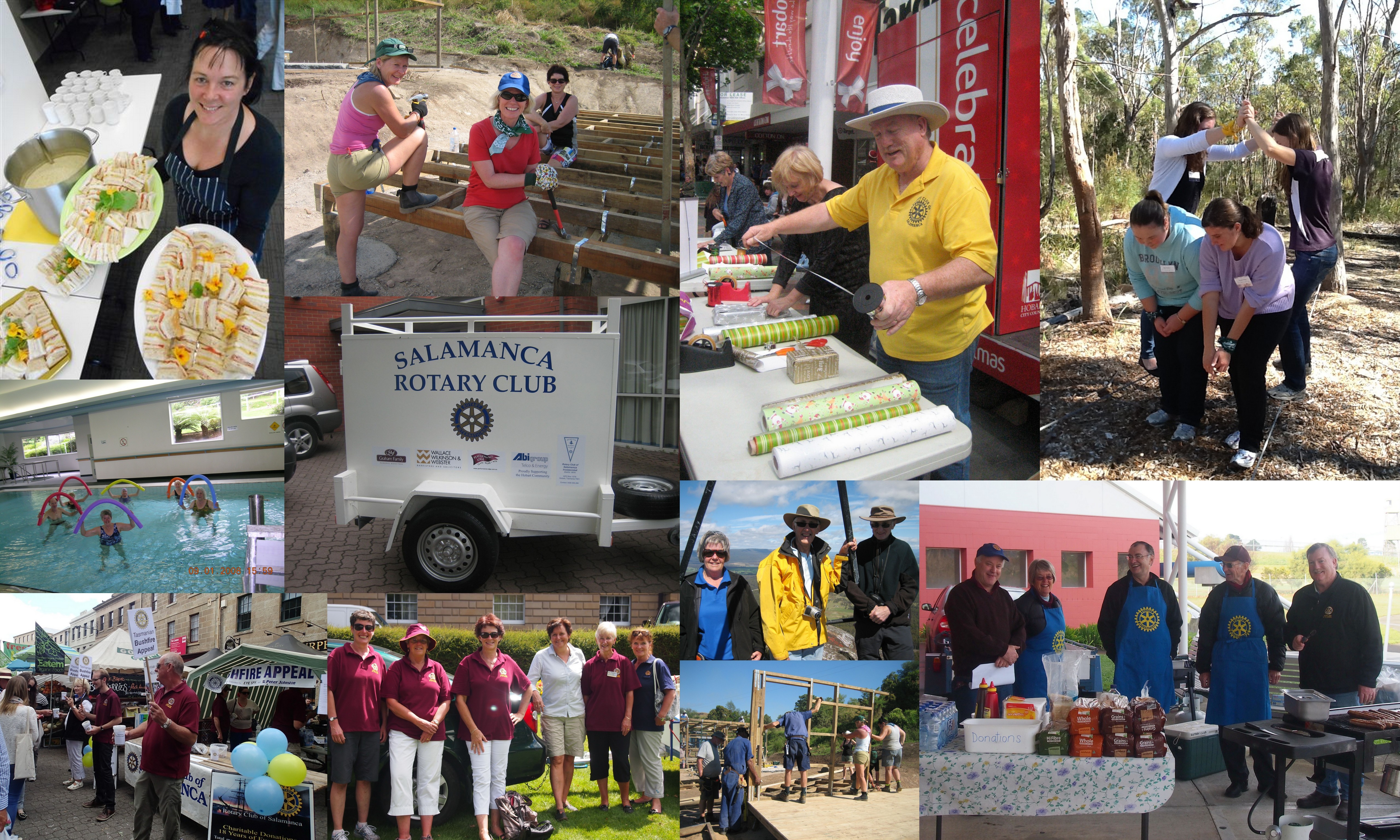
Rotary International brings together community leaders to exchange ideas and take action to improve communities worldwide. Each year (30 June and 1 July) officers (president, secretary, treasurer and sergeant-at-arms) are renewed by member election, so that responsibilities rotate for a limited period to avoid discretionary management.
Clubs are grouped in districts organised by number of clubs and members, so that the geographical size of districts varies greatly.
Each district has a governor who is renewed annually and elected by club representatives. To become governor, it is necessary to have been a club president, with active participation in service projects and knowledge of the organisation.
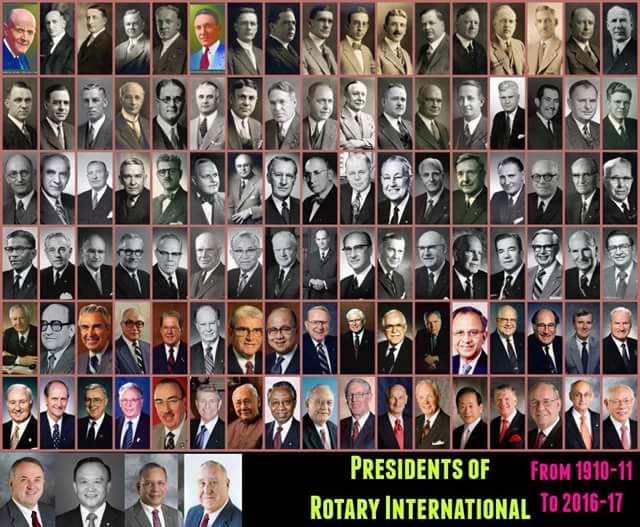
Rotary International is led by a president who, like the entire board, is renewed annually. Each new president launches a theme that sets the direction for each Rotary year.
Rotary International headquarters is at 1560 Sherman Avenue, Evanston, Illinois, USA.
Until 1989, Rotary clubs were made up only of men; in that year the Council on Legislation approved the removal of the requirement in the RI Bylaws limiting membership to men only. Since then, women have been able to join Rotary clubs worldwide and now represent just under 17% of total membership.
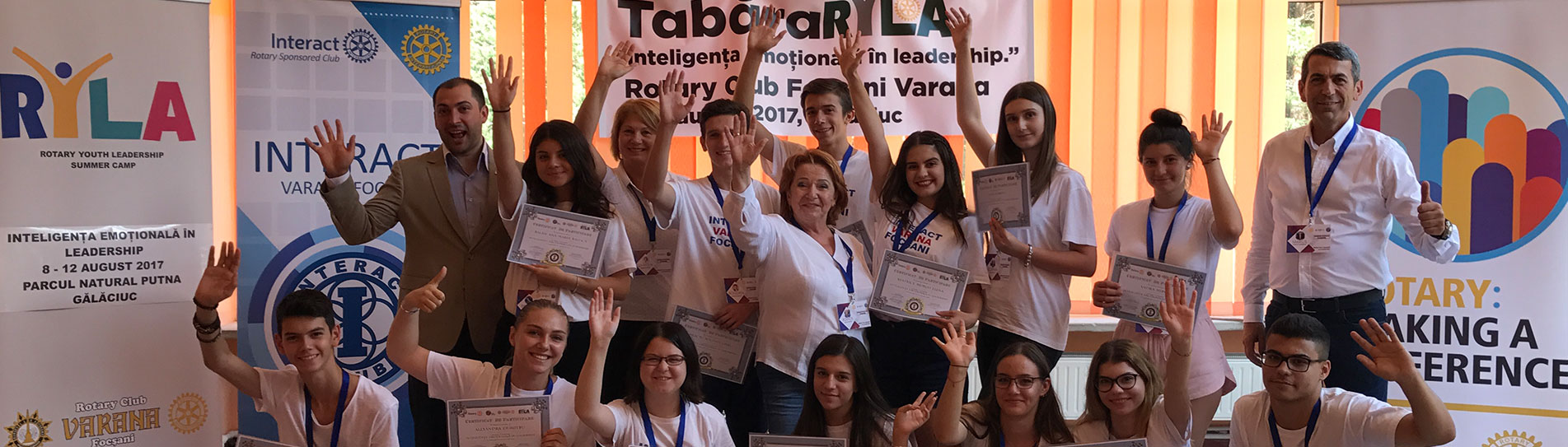
Other Rotary clubs sponsor organisations such as Rotaract, a service club for young men and women aged 18 to 30, with some 175,000 members in 7,500 clubs in 155 countries; Interact, service clubs bringing together more than 220,000 young people aged 12 to 18; the new Kinderact Club, from 4 to 11 years old, in 9,600 clubs in 117 countries; and finally, Rotary Community Corps (RCC), a volunteer organisation of an estimated 103,000 non-Rotarian men and women in 4,400 communities in 68 countries.
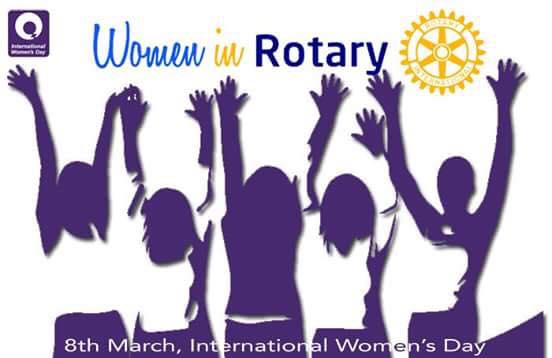
The first woman President of a Spanish Rotary Club was Fina Giannolli of ROTARY CLUB TENERIFE SUR. Previously women could only join the organisation through their husbands or fathers and formed what was known as Inner Wheel (ladies' committee).
Membership in Rotary is by invitation of a member and extends to professional and business leaders from different fields. Although the organisation does not wish to be elitist, all legal occupations are considered acceptable and are admitted provided they are carried out with honesty and ethics. Each club may have up to 10% of members representing each line of business or profession in the geographical area they serve. Membership is open to all businesspeople and professionals with some leadership in their communities, although wealth or success is not a criterion for membership.
Rotary International is an international service organisation whose purpose is to bring together business and professional leaders to provide humanitarian services in their communities, promote high ethical standards in all occupations and help foster goodwill and peace in the world.
Rotary is made up of Rotary clubs, organised in more than 200 countries and geographical regions, carrying out projects to address the world's current problems, such as illiteracy, disease, poverty and hunger, lack of clean water and environmental degradation, while promoting high ethical standards in their respective fields. The Rotary Foundation is the private organisation that awards the largest number of international educational scholarships, funding the exchange of more than 1,000 scholars studying abroad each year as cultural ambassadors. Rotary also partners with seven prestigious universities worldwide to offer the opportunity to obtain a master's degree in peace and conflict resolution studies.
Service projects
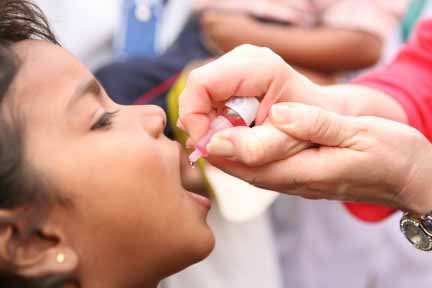
The best-known global project is PolioPlus, proposed by Carlos Canseco, a Mexican who presided over Rotary International. From its start in 1985, Rotarians have helped this project mobilise more than $3.85 billion and tens of thousands of volunteer hours to inoculate more than a billion vaccines to children worldwide. The goal is to protect more than 2 billion children in 122 countries.
In 1985 the Polio Plus project was launched from the Rotary Foundation. The Polio Plus programme is considered the largest international public health initiative. The initial goal was to raise 120 million USD.
In 1988, the World Health Organisation (WHO) approved a resolution to eradicate polio by the year 2000. Now, in collaboration with UNICEF, WHO and the US Centers for Disease Control and Prevention, Rotary is recognised by the United Nations as a key partner in this eradication effort.
In 2012 there were fewer than 300 cases of polio worldwide compared to 385,000 in 1988. In 2009 Rotary International had committed nearly $800 million USD to eradicate polio. Then the Bill and Melinda Gates Foundation issued a challenge to donate $355 million, to which Rotary responded with a campaign that raised more than $200 million through Rotary clubs.
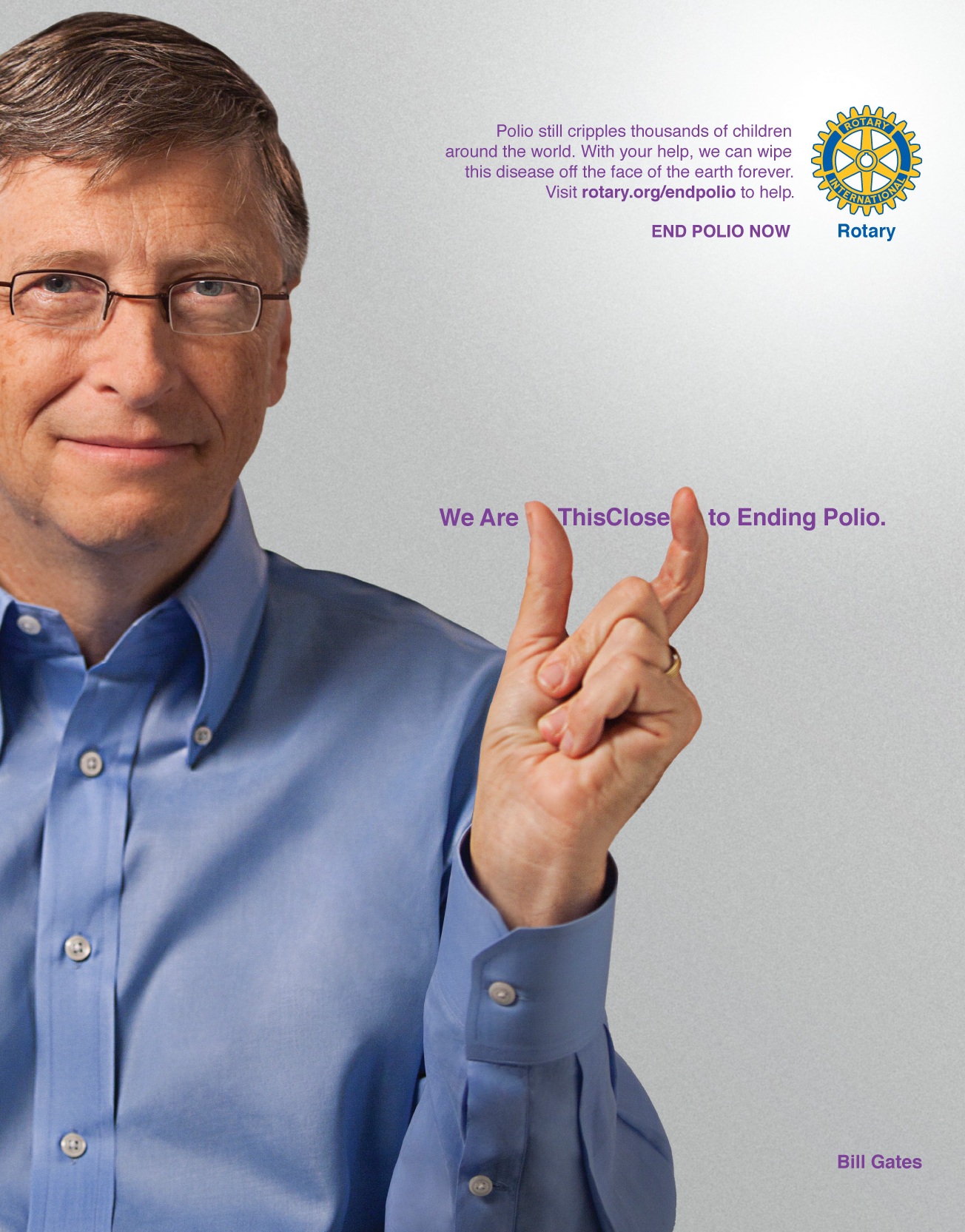
In 2011 the "this close" awareness campaign was launched, joined by many personalities from Desmond Tutu, Nobel Peace Prize winner, to athletes like Pau Gasol. By 2011 Rotary's contribution to the fight against polio had exceeded $1 billion USD.
In 2014 three years had passed without India recording any poliovirus infection and the South-East Asia region was declared polio-free, with cases only in Afghanistan, Pakistan and Nigeria. Polio was expected to be eradicated from the face of the earth by 2020.
Youth exchange programme
Other notable Rotary programmes include the Rotary Youth Exchange, a student exchange programme during secondary education, and Rotary's oldest programme, the Ambassadorial Scholarships. More than 30,000 students from 100 nations have studied abroad under the Ambassadorial Scholarships, one of the world's largest and most prestigious private international scholarship programmes. In 2002 and 2003, grants totalled approximately $26 million, used exclusively to award 1,200 scholarships to beneficiaries from 69 countries, who studied in 64 nations.
In 2002, the Rotary Foundation partnered with eight universities around the world to create Rotary Centres for International Studies in peace and conflict resolution. The first class graduated in 2004.
Famous Rotarians
- Francis, Pope, Argentina
- Luciano Pavarotti, opera singer, Italy
- Stephen Hawking, astrophysicist, United Kingdom
- Walt Disney, filmmaker, United States
- John F. Kennedy, politician, United States
- Margaret Thatcher, politician, United Kingdom
- Beyoncé Knowles, singer, United States
- Neville Chamberlain, politician, United Kingdom
- Nicolas Sarkozy, politician, France
- Rainier III of Monaco, monarch, Monaco
- Douglas MacArthur, military, United States
- Thomas Alva Edison, entrepreneur and inventor, United States
- Mario Moreno "Cantinflas", filmmaker, Mexico
- Thomas Mann, writer, Germany
- Hassan II of Morocco, monarch, Morocco
- Albert Schweitzer, physician, philosopher, theologian and musician; Germany / France
- Álvaro Uribe Vélez, politician, Colombia
- Bernhard of Lippe-Biesterfeld, prince consort, Netherlands
- Carlos Canseco, physician and President of Rotary International, Mexico
- Asgeir Asgeirsson, President of Iceland, Iceland
- Axel of Denmark, prince, Denmark
- Eduard Beneš, president, Czechoslovakia
- Harry A. Blackmun, Supreme Court Justice, USA
- Frank Borman, astronaut, USA
- Cecil B. De Mille, film director, USA
- Raymond F. Firestone, President of Firestone, USA
- J. William Fulbright, Senator, USA
- Hans-Dietrich Genscher, Foreign Minister, Germany
- Lorenzo Guerrero Gutiérrez, President, Nicaragua
- Warren G. Harding, President, USA
- Reijiro Hattori, President of Seiko, Japan
- Steingrimur Hermannsson, Prime Minister, Iceland
- Chung Yul Kim, Prime Minister, Korea
- Karl Kobelt, President, Switzerland
- Franz Lehár, composer, Austria
- Guglielmo Marconi, telegraph inventor, Nobel Prize, Italy
- Jan Masaryk, Foreign Minister, Czechoslovakia
- Konosuke Matsushita, President of Matsushita Electric Co., Japan
- Heinrich Nordhoff, President of Volkswagen, Germany
- Choong Hoon Park, Prime Minister, Korea
- Leopoldo Pirelli, President of Pirelli, Italy
- Claude Vuitton, owner of Vuitton, France
- Earl Warren, Chief Justice, Supreme Court, USA
- Woodrow Wilson, President, USA